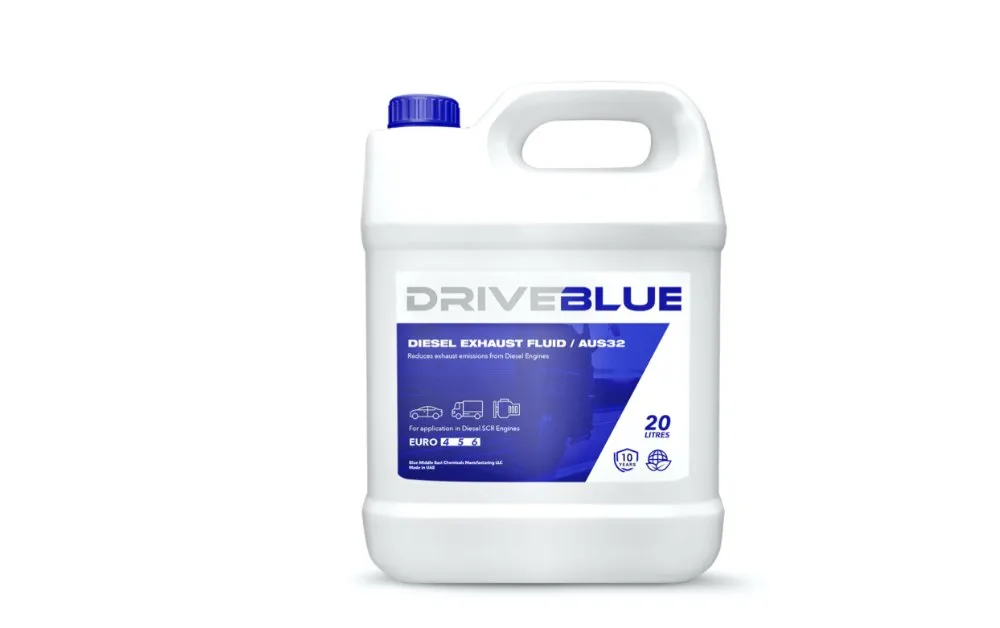
For diesel vehicle owners and commercial fleet operators who understand that the SCR emission control system is one of the most valuable and sensitive components in a modern diesel vehicle, choosing aqua blue diesel exhaust fluid that genuinely meets ISO 22241 quality standards — rather than simply the most readily available or cheapest alternative — is a decision that directly protects the long-term reliability, performance, and residual value of every vehicle in their fleet. The difference between quality DEF and substandard product may not be visible immediately, but its consequences accumulate with every tankful of inferior fluid dispensed.
How DEF Quality Directly Affects SCR System Performance
The SCR catalyst is a precision-engineered component that functions within a narrow set of chemical parameters. When correct-specification DEF is used consistently, the catalytic NOx reduction reaction proceeds at 85–95% efficiency throughout the catalyst’s designed service life — ensuring emission compliance and preventing fault codes that trigger engine power deration.
When DEF quality deviates from ISO 22241 specification, the consequences develop progressively. Contaminated DEF containing metal ions — calcium, magnesium, sodium, or potassium — forms insoluble mineral deposits within the catalyst’s microporous structure, permanently reducing its catalytic efficiency. These deposits cannot be reversed or cleaned — they require costly catalyst replacement. Similarly, DEF with urea concentration outside the specification range produces incorrect ammonia quantities in the reduction reaction — either insufficient NOx conversion (triggering fault codes and power deration) or excess ammonia passing through the catalyst (creating a different emissions violation and potential system damage).
See also-The Role of Diesel Exhaust Fluid Manufacturers in Fleet and Commercial Vehicle Management
Premium DEF Benefits for Fleet Operations
Consistent ISO 22241 quality ensures the SCR system maintains designed NOx conversion efficiency throughout service life. Extended catalyst lifetime reduces the frequency and cost of the most expensive SCR system repair. Correct injector lubrication from quality DEF minimizes injector wear — precision DEF injectors are expensive components sensitive to chemical contamination from sub-specification fluid. Full engine power output is maintained — quality DEF prevents the progressive power deration that contaminated or insufficient DEF triggers. The fleet operating cost impact of these benefits compounds significantly across a large vehicle fleet over multiple years of operation.
Field Quality Verification
Fleet operators can perform basic DEF quality verification using a refractometer — an optical instrument that measures refractive index and correlates this to urea concentration. A properly calibrated refractometer provides a rapid, non-destructive indication of whether urea concentration falls within the ISO 22241 range of 31.8%–33.2%. For rigorous verification, particularly from new suppliers or when suspect batches are received, send samples to an accredited laboratory for full ISO 22241 compliance testing across all specified parameters.
Storage and Contamination Prevention
Use only dedicated DEF storage tanks, pumps, hoses, and dispensing nozzles — never equipment shared with any other fluid. Even trace contamination of DEF with diesel, engine oil, or other substances renders the entire batch unusable and may trigger DEF quality fault codes in vehicles with DEF quality sensors. Maintain storage tank cleanliness, verify DEF filler cap seals regularly, and implement first-in, first-out inventory management to rotate stock within shelf life. The long-term economics of quality DEF procurement are compelling: the additional cost of certified product is measured in fils per litre, while SCR catalyst replacement caused by contaminated DEF costs thousands of dirhams per affected vehicle. Fleet operators who prioritize quality over unit price consistently achieve lower total operating costs.
Conclusion
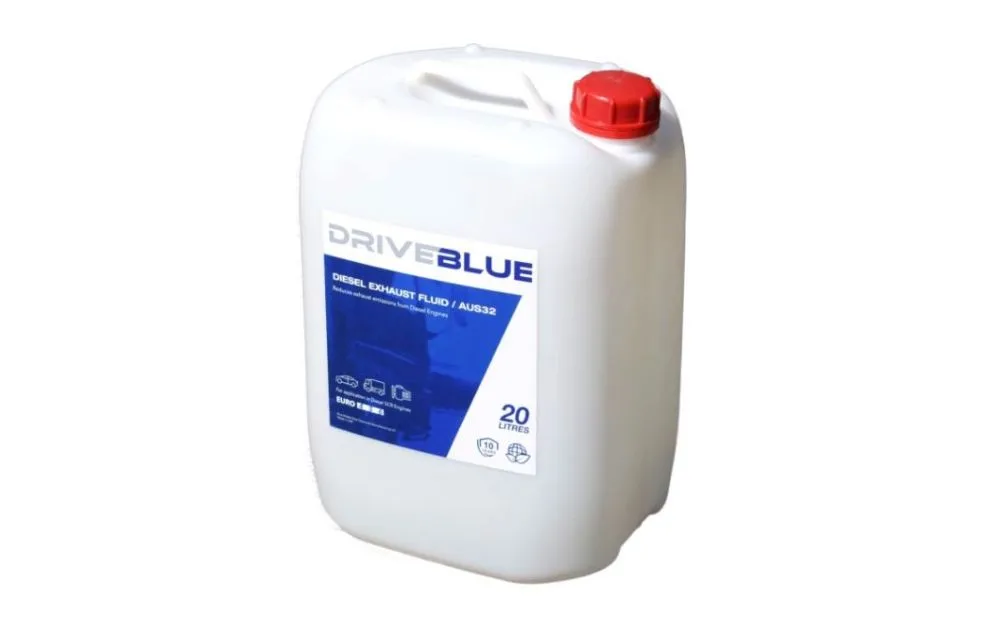
Choosing aqua blue diesel exhaust fluid that consistently meets ISO 22241 quality standards is the single most important product decision in SCR system maintenance. Source exclusively from suppliers who provide certifiable quality with every delivery, maintain proper storage conditions throughout your supply chain, and train all fuel handlers in the critical importance of DEF purity and contamination prevention. The SCR system is a precision investment worth protecting — quality DEF is its most fundamental protection.