
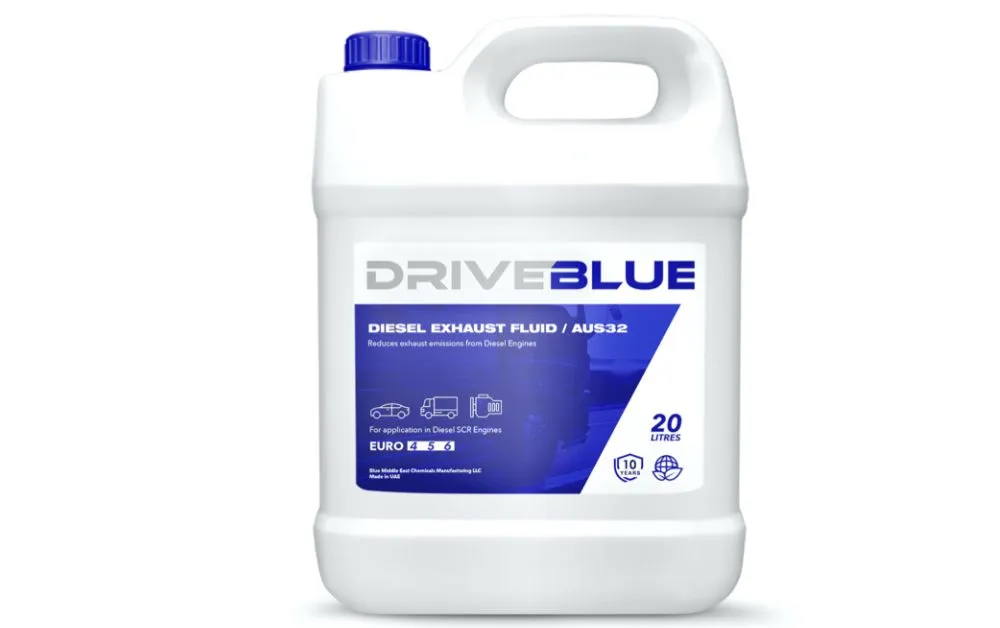
Every owner of a modern diesel vehicle needs to understand what their vehicle will do if the diesel DEF tank runs empty. Unlike running out of fuel — where the engine simply stops immediately — running out of Diesel DEF UAE triggers a graduated series of responses from the vehicle’s engine management system that are deliberately designed to enforce refilling before the vehicle continues to operate. These responses range from early warning lights through to power deration and ultimately to the vehicle refusing to start after the next key-off event. Understanding this sequence, what causes it, and how to avoid it is essential knowledge for every diesel vehicle owner and fleet operator.
The Graduated Response System Explained
Vehicle manufacturers have invested significant engineering effort in designing graduated response systems that alert drivers to low diesel DEF levels with increasing urgency as the tank level drops. This graduated approach is designed to give drivers multiple opportunities to refill before any performance impact occurs, while still enforcing compliance with emissions regulations if those warnings are ignored. The system is not a flaw or an annoyance — it is a deliberately engineered compliance mechanism that protects both the environment and the integrity of the vehicle’s certified emissions performance.
Stage 1: Early Warning at Around 10 Percent Tank Level
The first warning typically appears on the dashboard when the diesel DEF tank reaches approximately 10% of its total capacity. This is indicated by an amber or yellow warning light, often accompanied by a message on the information display showing the estimated remaining range before restrictions will be applied. At this stage, the vehicle is still operating completely normally and there is typically several hundred kilometers of range remaining. This is the ideal time to arrange a refill — before the situation becomes more urgent.
Stage 2: Urgent Warnings as the Tank Approaches Empty
If the initial warning has not been acted upon and the diesel DEF level continues to fall, the warnings become more urgent and more difficult to ignore. The warning light may change color from amber to red, may begin flashing, and the estimated remaining range countdown will show a smaller number. Text messages displayed on the instrument cluster become increasingly direct in communicating the need for an immediate refill. Some vehicles will also emit audible alerts at this stage. The vehicle is still operating normally at this point, but the window for avoiding restrictions is narrowing.
Stage 3: Engine Power Deration When the Tank Empties
When the diesel DEF tank empties completely, the engine management system activates power deration mode. In this mode, the vehicle’s maximum engine output is deliberately limited, resulting in noticeably reduced acceleration and a lower achievable top speed. The exact degree of power limitation varies by manufacturer and model, but it is typically enough to make the vehicle feel significantly less responsive than normal and unsuitable for highway driving at normal speeds. The vehicle can still be moved, but driving comfort and capability are substantially compromised.
Stage 4: Start Refusal After the Next Key-Off Event
Many diesel vehicles — particularly commercial trucks, vans, and certain European passenger car models — are programmed for a more stringent final stage: after the engine is switched off following an empty diesel DEF tank, the vehicle will refuse to start at the next ignition attempt until diesel DEF has been added. This is by deliberate manufacturer design, not a fault. The vehicle is programmed to prevent operation of the SCR-disabled powertrain to avoid ongoing operation outside the vehicle’s certified emissions parameters. In a commercial fleet context, a vehicle that cannot be started is immediately out of service, making this situation genuinely operationally disruptive.
Related read:-How Long Does DEF Last? Shelf Life Explained
Why These Restrictions Are Built In
The graduated restriction system exists because operating a diesel vehicle without diesel DEF means the SCR catalyst cannot perform its NOx reduction function, and the vehicle emits far more nitrogen oxides than its type-approval certification permits. Vehicle manufacturers are legally required to ensure their vehicles meet their certified emissions performance in real-world operation, and the graduated restriction system is the mechanism they use to enforce this compliance. The restrictions are programmed at the factory level and cannot be disabled without sophisticated and typically illegal engine management interference.
Can Running Dry Cause Lasting Damage
Running the diesel DEF tank to completely empty does not directly damage the engine itself or the SCR catalyst in the short term. However, repeatedly running the tank to empty can cause crystallization of urea deposits in the dosing injector, which may require cleaning or replacement at significant cost. It also places additional wear on the dosing pump, which may be running in a dry or near-dry condition in the final stages before the tank empties. The best practice is to refill well before the tank empties — when the first amber warning appears — to protect the dosing system and avoid all of the restrictions described above.
Preventing Running Out of Diesel DEF
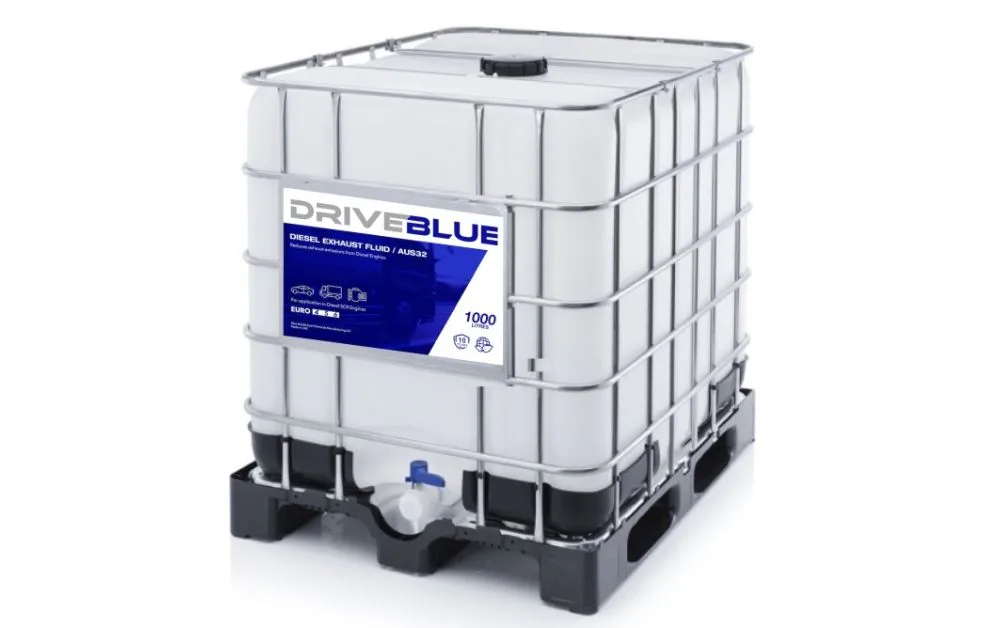
Preventing the inconvenience of running out of diesel DEF is straightforward with good habits and the right supply arrangement. Check the diesel DEF level at every fuel stop and top up if below 50% tank capacity. For fleet operators, integrate diesel DEF level monitoring into your fleet management system so that vehicles with low levels are flagged before they depart on routes. Establish a supply arrangement with a reliable diesel DEF supplier so that depot stock is always maintained at adequate levels for the fleet. Blue Middle East provides reliable diesel DEF supply for both individual vehicle owners and fleet operators across the UAE.
Conclusion
Running out of diesel DEF is entirely avoidable, but the consequences when it happens — from amber warning lights through engine power deration to complete start refusal — are disruptive enough to make proper diesel DEF level management a genuine operational priority. Understanding the graduated response system that your vehicle employs helps you recognize warning signals early and act on them before any performance impact occurs. For reliable, quality-assured diesel DEF supply in the UAE that makes running low a problem of the past, Blue Middle East is the trusted supplier for individual drivers and fleet operators throughout the country.