As diesel engine technology has advanced significantly in response to increasingly strict global emissions regulations, the role of urea solution in modern emission control systems has become critically important. urea solution — commercially known as DEF Fluid and technically referred to as AUS32 under ISO 22241 standards — is a fundamental component of Selective Catalytic Reduction technology, which is the primary method used by diesel engine manufacturers to reduce harmful nitrogen oxide emissions to the very low levels required by Euro 4, Euro 5 and Euro 6 standards. If you own or operate diesel vehicles in the UAE, understanding what urea solution is, precisely how it works, why its quality matters enormously, and how to manage its supply effectively is essential operational knowledge that directly affects both your vehicle performance and your regulatory compliance.
The Precise Composition of Automotive Urea Solution
Urea for diesel SCR systems is not a generic industrial product — it is a precisely formulated mixture of exactly 32.5% high-purity automotive-grade urea dissolved in 67.5% highly purified deionized water. This specific concentration is mandated by the ISO 22241 international standard and is critical for correct SCR system operation. The urea used must be of automotive grade purity, which is significantly higher than the purity required for agricultural or industrial urea applications. Even small amounts of impurities, particularly biuret, can cause deposits in the SCR dosing system and damage to the catalyst. The deionized water must also be free from minerals that could cause scaling, corrosion, or crystal deposits in the dosing system and catalyst.
How Urea Solution Functions in the SCR Emission Control System
In an SCR-equipped diesel vehicle, urea solution is stored in a dedicated tank that is physically separate from the diesel fuel tank and clearly labeled to prevent accidental contamination. A precision dosing pump injects a carefully metered quantity of urea into the exhaust stream at a point upstream of the SCR catalyst. The intense heat of the diesel exhaust — typically between 200°C and 600°C depending on engine load and speed — causes the urea solution to undergo a two-stage chemical transformation: first it decomposes into ammonia and carbon dioxide through a process called thermolysis, and then the ammonia reacts with nitrogen oxides in the exhaust over the surface of the SCR catalyst to produce harmless nitrogen gas and water vapor. This catalytic reaction can reduce NOx emissions by up to 90%, enabling diesel engines to meet Euro 6 standards that would be impossible to achieve through engine design alone.
Why the Quality of Urea Solution Is Non-Negotiable
Using substandard, impure, or incorrectly formulated urea solution can cause serious and expensive damage to the SCR system. Impurities in the urea can deposit as solid crystals in the dosing injector, blocking it and requiring expensive cleaning or replacement. Mineral content in substandard water used to make the urea solution can cause scaling in the catalyst that permanently degrades its conversion efficiency. Using agricultural or industrial urea mixed with tap water — rather than properly manufactured automotive-grade urea — will typically void your vehicle’s warranty and can cause catalyst damage that costs thousands of dirhams to repair. Always purchase urea solution from reputable suppliers who can provide documentation confirming that the product meets ISO 22241 and that it has been independently tested in a reputable chemical laboratory.
Understanding Urea Solution Consumption Rates
Urea solution consumption in diesel vehicles is directly related to the amount of diesel fuel burned and the NOx output of the engine. As a practical rule, urea consumption typically ranges from 3% to 8% of diesel fuel consumption, though this varies significantly with engine type, load factor, driving speed, and ambient temperature. A diesel passenger car that consumes 7 liters of fuel per 100 km might use between 0.2 and 0.6 liters of urea solution over the same distance. For heavy trucks operating under high load, the consumption rate can be considerably higher. Understanding your vehicle’s typical consumption rate helps you plan supply and avoid running out unexpectedly. DEF Fluid usage in modern diesel vehicles is significantly impacted by geographical and climatic factors. Specifically, during the summer months, vehicles require a higher volume of diesel urea.
Also Read-How Can Urea Solution Improve Engine Efficiency and Longevity?
Proper Storage of Urea Solution
Urea solution requires appropriate storage conditions to maintain its quality and stability. The product should be stored in a cool, dry location away from direct sunlight and heat sources. The ideal storage temperature range is between -5°C and 25°C. At 25°C, properly manufactured urea has a shelf life of approximately 12 months. At higher temperatures — which are common in the UAE — the shelf life is shortened, so stock rotation is important for fleet operators. Urea solution containers should always be kept sealed when not in use to prevent contamination and evaporation of the water component. Request for MSDS from the right supplier to ensure necessary user guidelines and safety protocols in place.
Who Requires Urea Solution in the UAE
In the UAE, the requirement for urea solution applies to all diesel vehicles built to comply with Euro 4, Euro 5 or Euro 6 emission standards. This covers a very wide range of vehicles including modern passenger cars, light commercial vans, trucks, buses, coaches, and heavy construction and agricultural equipment. As the UAE’s vehicle fleet continues to modernize and older pre-Euro 5 vehicles are replaced, the proportion of vehicles requiring urea solution will continue to grow. Fleet operators, Auto product exporters, retailers, logistics companies, construction businesses, government agencies with vehicle fleets, and individual vehicle owners all need reliable access to quality urea solutions.
Blue Middle East: Your Trusted Urea Solution Supplier in the UAE
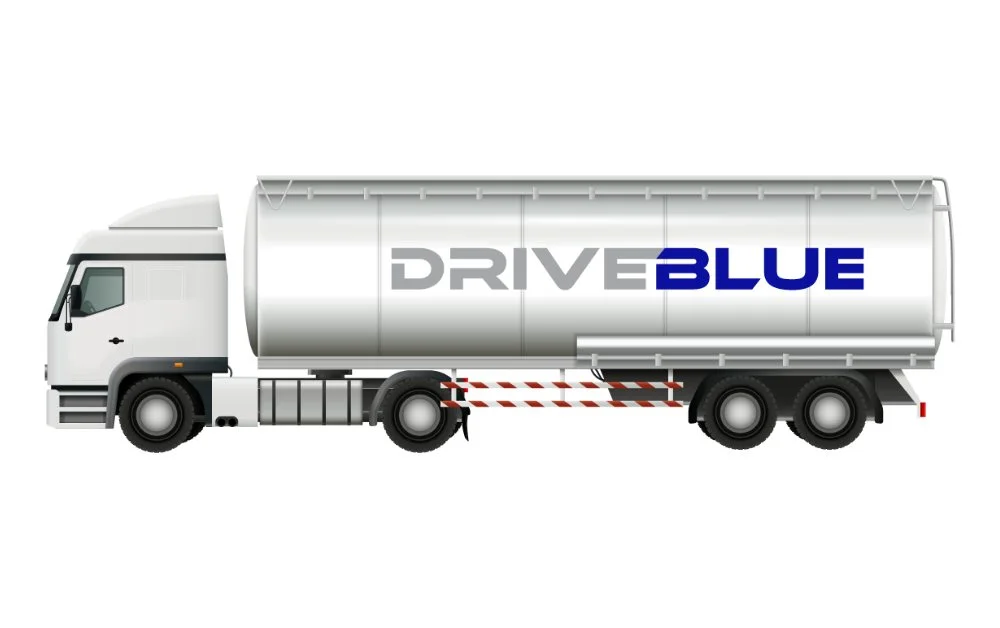
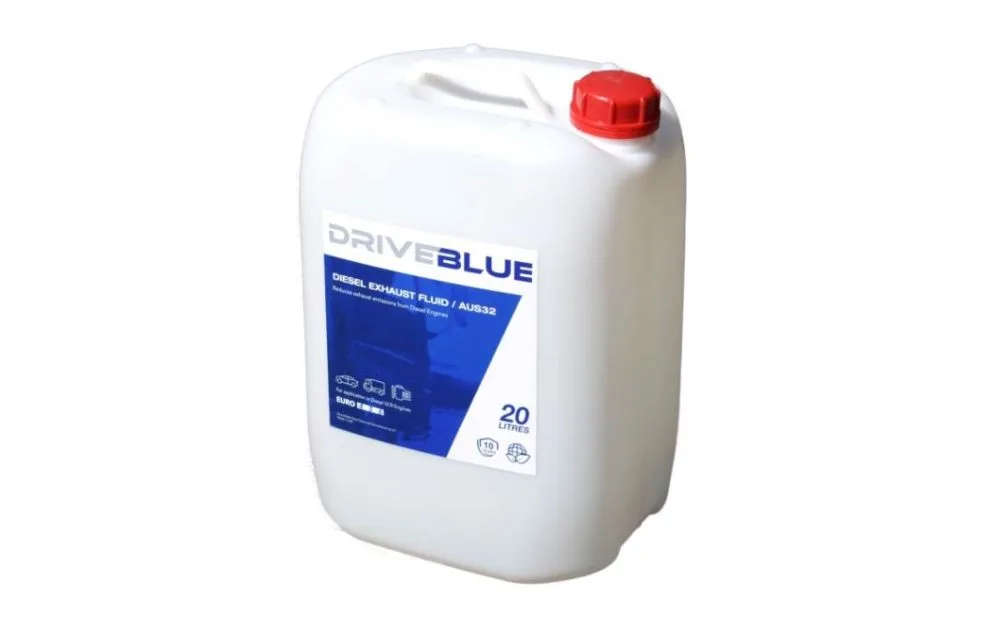
Blue Middle East is a specialist supplier of high-quality ISO 22241-compliant urea (AUS 32) serving vehicle owners and fleet operators across the UAE. Their product is manufactured to the exact specification required for safe use in all SCR-equipped diesel vehicles, and they provide full documentation of product quality upon request. Blue Middle East offers supply in a range of packaging formats from small individual containers to bulk drums and IBC tanks for large fleet operations, with reliable delivery arrangements to suit different customer needs. BME also provides direct refilling services via tankers to vehicle garages upon client request.
Conclusion
Urea solution is far more than a simple consumable fluid — it is a critical component of the emission control system that enables modern diesel engines to operate within their certified environmental parameters. Understanding the precise composition, the mechanism of action, the critical importance of quality, and the correct storage and supply management practices ensures that vehicle owners and fleet operators can maintain their SCR systems in perfect working order. For reliable, ISO-compliant urea solution supply in the UAE backed by genuine product quality assurance, Blue Middle East is the partner that diesel vehicle owners and fleet managers can trust.