
Modern diesel vehicles are designed to meet strict emission regulations, and DEF (Diesel Exhaust Fluid) plays a critical role in this process. Used in Selective Catalytic Reduction (SCR) systems, DEF helps reduce harmful nitrogen oxide (NOx) emissions produced by diesel engines. However, when DEF levels drop too low, your vehicle can face performance issues and may even fail to operate properly. Recognizing the early warning signs can help you avoid costly repairs and unexpected downtime. Choosing a reliable DEF supplier also ensures consistent product quality and dependable availability for your vehicle or fleet.
1. Dashboard Warning Light
The most common sign that your vehicle is running low on DEF is a dashboard warning light or alert message. These warnings usually appear well before the tank is empty, giving you enough time to refill. Ignoring these alerts can lead to engine performance restrictions or even a no-start condition once the DEF tank runs completely empty. Keeping an eye on these warning signs can help you avoid unexpected downtime and maintain smooth vehicle operation.
2. Countdown Messages or Alerts
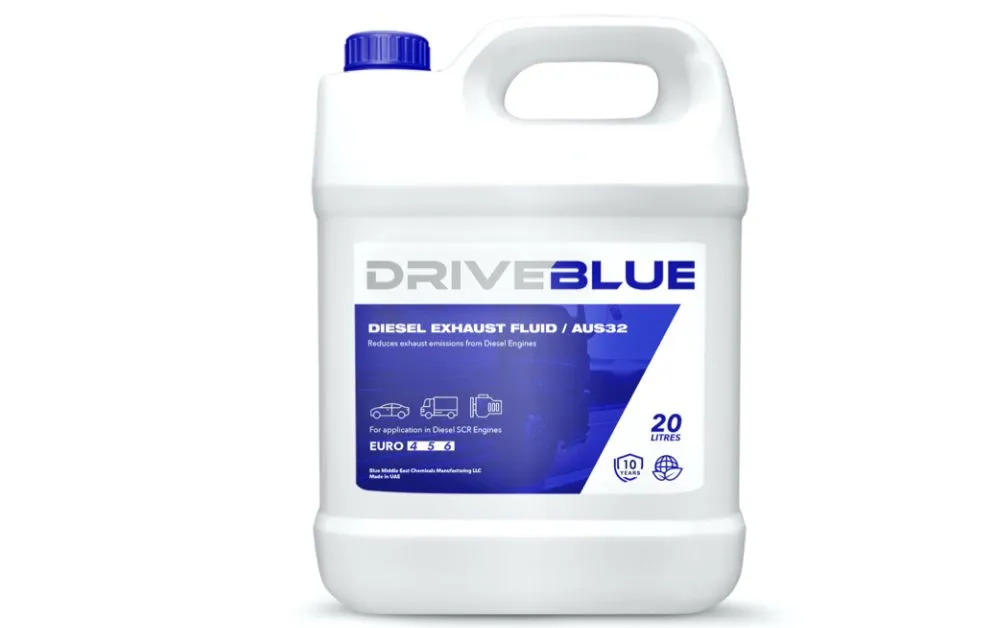
Many modern diesel vehicles display a countdown message showing how many kilometers or miles you can still drive before the engine may no longer restart. This is a built-in safety feature designed to maintain emission compliance. When you see this warning, it’s important to refill your DEF as soon as possible to avoid unexpected vehicle shutdowns and keep your vehicle operating without interruption.
3. Reduced Engine Performance
Low DEF levels can cause the engine management system to limit vehicle performance. You may notice reduced power, slower acceleration, or restricted speed. These limitations are built into the system to encourage timely refilling and ensure the vehicle continues to meet emission standards.
4. Increased Emissions Warnings
If DEF levels are too low, the Selective Catalytic Reduction (SCR) system cannot function properly, which can lead to increased emissions. Your vehicle may display an emissions-related warning light, indicating that the system is no longer operating within acceptable limits. Continuing to drive under these conditions may result in failed emissions inspections or fines in some regions.
5. Vehicle Fails to Start
One of the most serious consequences of running out of DEF is that many modern diesel vehicles may refuse to restart. This feature is designed to enforce environmental compliance and prevent excessive emissions. If your vehicle suddenly won’t start despite having fuel, an empty DEF tank could be the cause.
6. Unusual Warning Messages
Some vehicles may display specific alerts such as “Check DEF System” or “Refill DEF Now.” These warning messages can indicate low fluid levels, contamination, or issues within the Selective Catalytic Reduction (SCR) system. Paying attention to these alerts and using high-quality DEF can help prevent system failures, maintain proper performance, and ensure emission compliance.
7. Frequent Refills Needed
If you notice that your vehicle requires DEF refills more frequently than usual, it could be a sign of a leak, fluid contamination, or unusually high consumption. Monitoring refill frequency can help identify potential issues early. Using high-quality DEF with the correct concentration and purity helps maintain Selective Catalytic Reduction (SCR) system efficiency and reduces the risk of unnecessary fluid consumption.
Conclusion
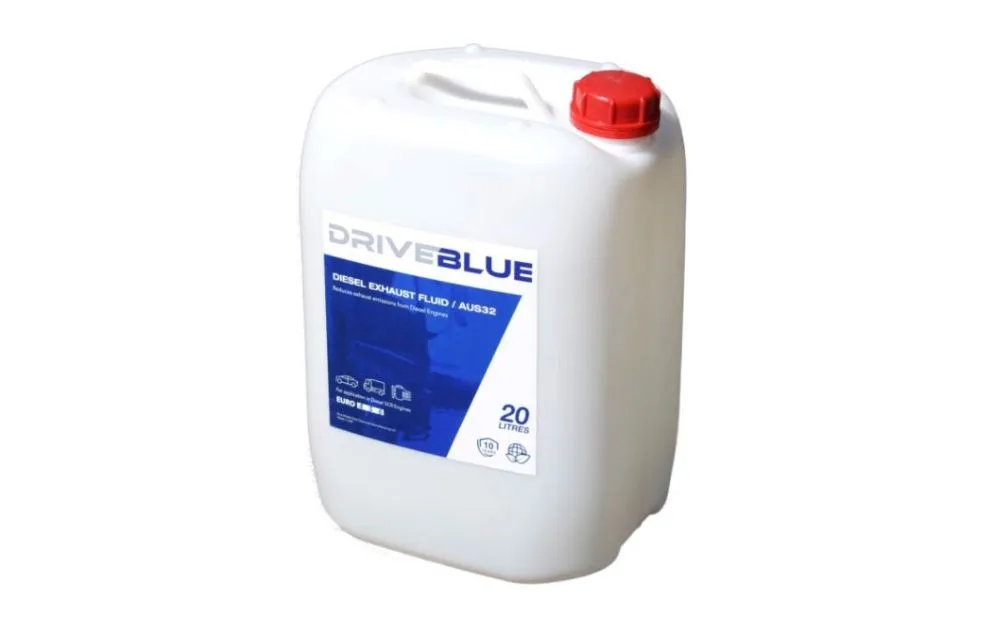
DEF is essential for the smooth operation and environmental compliance of modern diesel vehicles. Ignoring low DEF warning signs can lead to reduced performance, costly repairs, or even complete vehicle immobilization. By staying alert to these warning indicators and using high-quality DEF, you can help maintain optimal engine performance, lower harmful emissions, and ensure uninterrupted vehicle operation.