
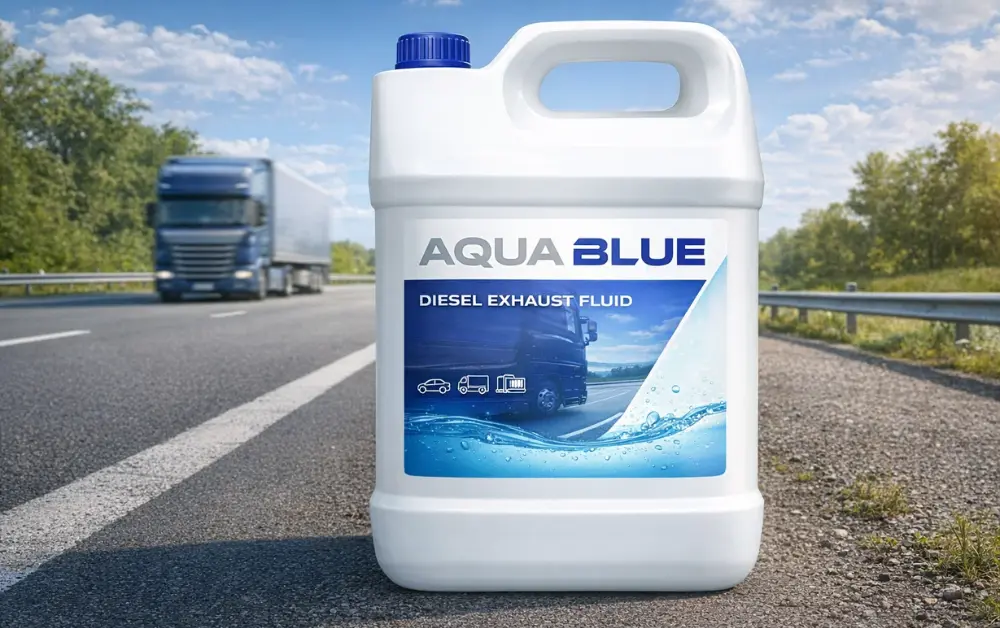
If you drive a modern diesel vehicle, you know how important it is to keep up with regular maintenance to ensure smooth and efficient performance. One of the key components that helps your vehicle meet strict emission standards is Diesel Exhaust Fluid (DEF) — a specialized fluid designed to reduce harmful nitrogen oxide (NOx) emissions.
But what happens when your DEF level runs low? Insufficient DEF can lead to several issues, including dashboard warning lights, reduced engine performance, and even vehicle downtime if ignored. Knowing the warning signs early can help you avoid disruptions and keep your diesel vehicle operating efficiently. Let’s look at how to tell when it’s time for a DEF refill.
Dashboard Warning Lights
Dashboard Warning Signs of Low DEF
The most obvious sign that your DEF tank needs a refill is a warning light on your dashboard. Modern diesel vehicles are equipped with sensors that monitor DEF levels, so when the fluid runs low, you will usually notice:
- DEF warning light – This alert indicates that the fluid level is low and a refill is needed soon.
- Check engine light – This may appear if the DEF level becomes critically low or if there is an issue with the Selective Catalytic Reduction (SCR) system.
- Reduced power alerts – Some vehicles automatically limit engine performance to protect the SCR system when DEF levels drop too low.
Ignoring these warning signs can lead to reduced performance, vehicle restart restrictions, or costly repairs, so it’s important to refill your DEF tank before it runs empty.
Reduced Engine Performance
Reduced Engine Performance (Limp Mode)
When DEF is running critically low, many diesel vehicles may enter “limp mode.” This is a built-in safety feature designed to limit engine performance and protect the Selective Catalytic Reduction (SCR) system from operating improperly.
If you notice sluggish acceleration, reduced speed, or difficulty maintaining highway performance, it could be a sign that your DEF tank is nearly empty. Ignoring these symptoms may lead to further performance restrictions or prevent the vehicle from restarting once turned off.
If this happens, it’s important to refill the DEF tank as soon as possible to restore normal performance and avoid unnecessary downtime.
Increased Emissions or Odd Exhaust Odor
When your DEF levels are low, the Selective Catalytic Reduction (SCR) system cannot fully neutralize harmful nitrogen oxide (NOx) emissions in the exhaust. As a result, your vehicle may begin producing higher emissions, which can sometimes be noticed through unusual exhaust odors or increased smoke output. This is not only a performance concern but can also create compliance issues during emissions inspections, especially for commercial vehicles.
If you notice any unusual smells or excessive smoke, it’s a good idea to check your DEF levels and refill them as soon as possible.
Warning Messages on the Infotainment System
Best Practices for Refill
To avoid running into issues with DEF, here are a few best practices to keep in mind:
- Use High-Quality DEF: Always choose fluid that meets proper quality standards to avoid contamination and keep your Selective Catalytic Reduction (SCR) system working efficiently.
- Refill Before It’s Critical: Try to top up your DEF before warning lights appear. This helps prevent the system from running empty and ensures smoother vehicle performance.
- Avoid Contamination: When refilling, use clean funnels and pumps dedicated only to DEF. Never mix it with diesel fuel or other chemicals.
- Monitor Regularly: Keep track of your DEF consumption based on mileage and driving conditions. Vehicles used for long-distance travel or heavy-duty operations may consume more fluid.
Regular refills at the right time help keep your vehicle running efficiently, support emissions control, and reduce the risk of unnecessary downtime.
In Conclusion
Recognizing the signs that your diesel vehicle needs a DEF refill is important for protecting engine performance and maintaining emission compliance. Regular monitoring and timely refills help ensure your Selective Catalytic Reduction (SCR) system operates efficiently, reducing harmful emissions and preventing unnecessary downtime or costly repairs.
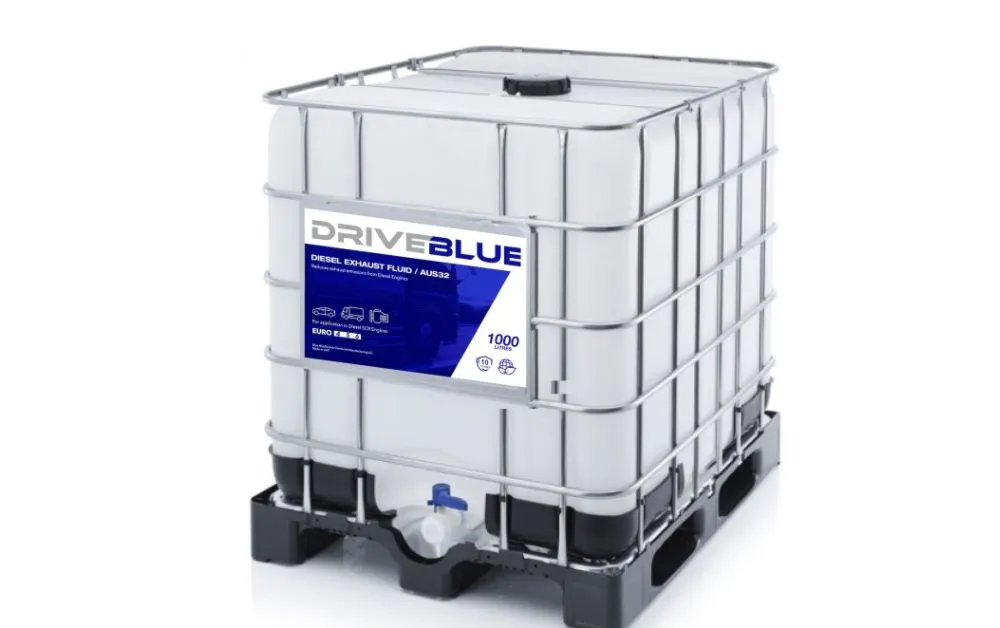
For a reliable source of high-quality DEF that meets industry standards, Blue Middle East offers trusted solutions designed to support SCR system performance, vehicle efficiency, and long-term emission control.