
Introduction
Dubai’s extreme summer heat places enormous strain on diesel engines, and one of the most important — yet often underappreciated — factors in managing that strain is choosing the right coolant. diesel engine cooling fluid Dubai buyers select needs to do far more than simply prevent overheating; it must protect against corrosion, resist boiling in extreme ambient temperatures, and maintain its properties across the wide temperature swings the region experiences. Choosing the wrong product, or the wrong concentration, can leave your engine vulnerable at exactly the time of year it needs protection most.
Why Standard Coolant Isn’t Always Enough in Dubai’s Climate
Many drivers assume any coolant will do the job, but Dubai’s climate is genuinely more demanding than the conditions most generic coolant products are designed for. Ambient temperatures that regularly exceed 45°C in summer push engine cooling systems close to their limits, and a coolant with an inadequate boiling point or poor heat transfer properties can allow localised hot spots to develop around the engine block and cylinder head. Over time, this can accelerate wear, gasket failure, and even catastrophic overheating if the coolant simply cannot keep pace with the heat the engine is generating.
Understanding Coolant Concentration and Mixing Ratios
The concentration of glycol to water in your coolant mixture has a direct impact on both its freezing point and, more relevantly for the UAE, its boiling point and heat transfer efficiency. A coolant mixed too weak loses its protective additive package more quickly and may not provide adequate boil-over protection in extreme heat. A mixture too strong, on the other hand, can actually reduce heat transfer efficiency compared to the manufacturer’s recommended ratio. Following the correct mixing ratio specified for your vehicle and climate is essential, and pre-mixed formulations designed for hot climates remove the guesswork entirely.
Corrosion Protection for Diesel Engine Components
Diesel engines contain a mix of metals, including aluminium, cast iron, and various alloys in the radiator, water pump, and engine block, all of which are vulnerable to corrosion if the coolant’s inhibitor package breaks down. Quality diesel engine cooling fluid includes a corrosion inhibitor package specifically formulated to protect this mix of metals over an extended service interval. In a climate where the coolant works harder and hotter for more of the year, choosing a product with a robust and proven inhibitor package is particularly important to avoid premature component failure.
Compatibility with Your Vehicle’s Cooling System
Not all coolant formulations are compatible with every engine and cooling system design. Modern diesel engines, particularly newer heavy-duty truck engines, often specify extended-life coolants with specific additive technologies that should not be mixed with older conventional formulations. Mixing incompatible coolant types can cause the additive packages to react poorly, forming gels or deposits that block coolant passages. Always check your vehicle manufacturer’s specification before selecting a diesel engine cooling fluid, and avoid topping up with a different type of coolant than what is already in the system.
If you are unsure which category your vehicle requires, checking the owner’s manual or asking your supplier before mixing anything into the system is always the safer route. A short conversation with a knowledgeable supplier before a top-up can prevent a compatibility issue that would otherwise be expensive and time-consuming to diagnose and flush out later.
Signs Your Coolant Needs Attention
Even a good-quality diesel engine cooling fluid degrades over time, and recognising the signs that it needs attention helps prevent problems before they escalate. A rising temperature gauge under normal driving conditions, coolant that appears discoloured or contains visible particles, a sweet smell near the engine bay, or frequent need to top up the reservoir can all indicate that the coolant or the system itself needs inspection. In Dubai’s climate, these signs should never be ignored, since a developing cooling problem can worsen quickly once ambient temperatures climb.
Choosing a Reliable Supplier in Dubai
Because coolant quality has such a direct impact on engine reliability, sourcing your diesel engine cooling fluid from a reputable, quality-assured supplier in Dubai is just as important as choosing the right formulation. A reliable supplier should be able to confirm the specification of their product, advise on the correct concentration for your vehicle and climate, and offer consistent quality across every batch — particularly important for fleet operators managing many vehicles at once.
Related blog – Understanding the Types of Coolants for Diesel Truck Engines
Blue Me: Diesel Engine Cooling Fluid Supplier in Dubai
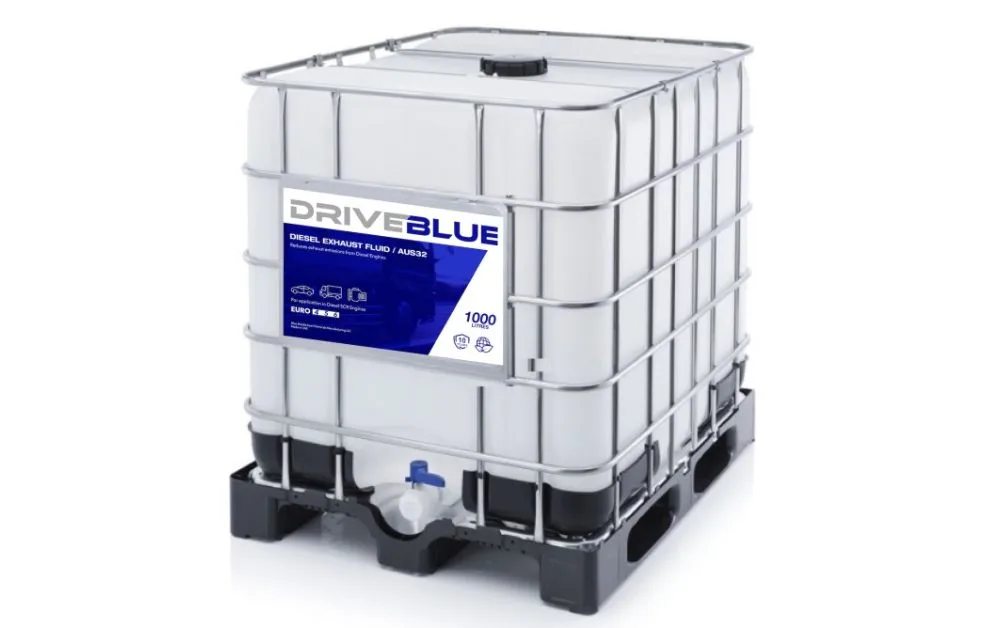
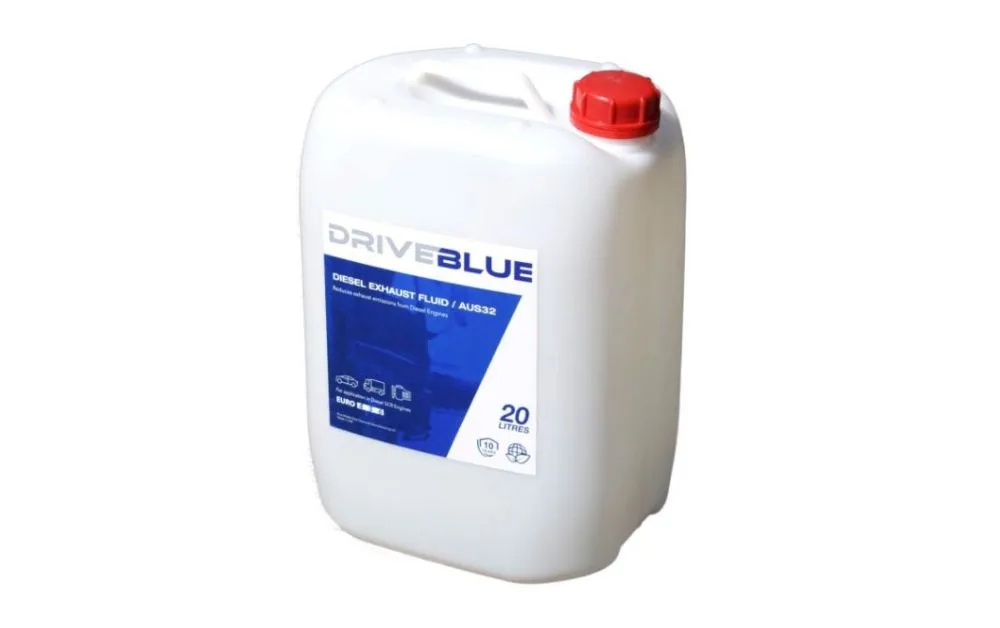
Blue Me supplies high-quality diesel engine cooling fluid formulated to withstand Dubai’s demanding climate, offering reliable corrosion protection and consistent performance for passenger vehicles, commercial vans, and heavy trucks alike. Their team can advise on the correct product and mixing ratio for your specific vehicle, backed by consistent quality and flexible supply options for individual owners and fleet operators.
Conclusion
Choosing the right diesel engine cooling fluid in Dubai is about far more than picking any product off the shelf — it requires understanding your climate, your vehicle’s specific requirements, and the quality standards that protect your engine over the long term. By paying attention to concentration, corrosion protection, and compatibility, and by sourcing from a trusted supplier, vehicle owners and fleet managers can keep their diesel engines running reliably through even the hottest months of the year. Blue Me is a trusted source for quality diesel engine cooling fluid across Dubai and the wider UAE.