
If you’re driving a diesel vehicle in Oman, you’ve probably heard about Diesel Exhaust Fluid,especially as emission regulations continue to become stricter. However, there are many misconceptions surrounding DEF, which can often create confusion for vehicle owners and fleet operators. In this blog, we’ll clear up some of the most common myths about DEF in Oman, helping you understand how it works, why it matters, and how it supports your vehicle’s performance while ensuring compliance with emission standards.
DEF Is Not a Fuel Additive
A common misconception is that DEF is something you add directly to the diesel fuel tank, similar to a fuel additive. This is incorrect.
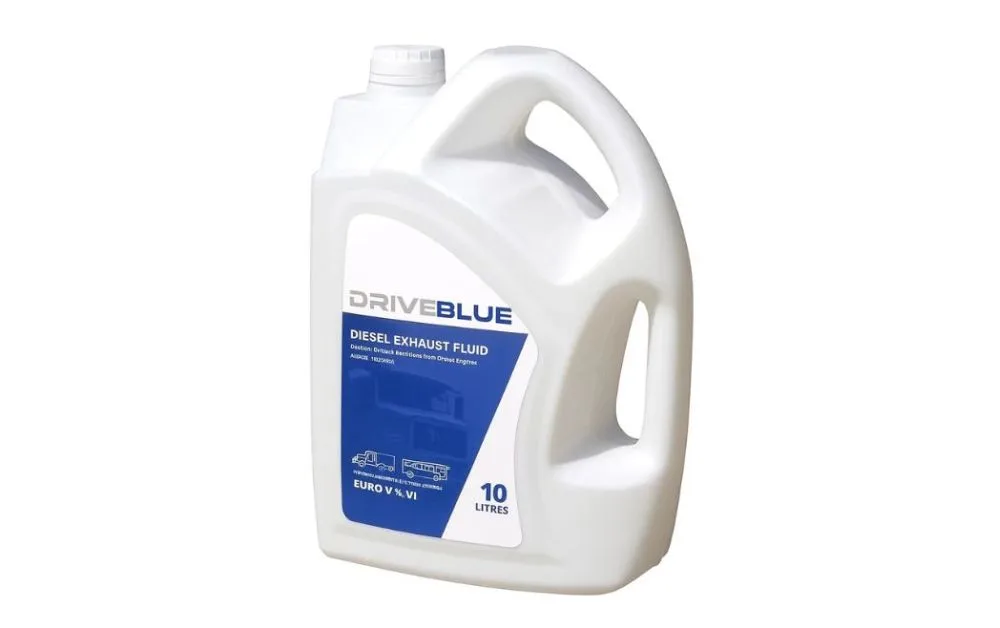
The Truth: Diesel Exhaust Fluid (DEF) is stored in a completely separate tank and is never mixed with diesel fuel. It is a high-purity solution made of 32.5% urea and 67.5% demineralized water, which is injected into the exhaust system to help reduce harmful nitrogen oxide (NOx) emissions through the Selective Catalytic Reduction (SCR) process. Its purpose is to control emissions — not to improve fuel quality or engine power.
DEF Will Harm My Vehicle if It’s Added to the Wrong Tank
Many drivers worry that if DEF is accidentally poured into the wrong tank, it will immediately damage the vehicle. While it is a serious mistake, there are ways to prevent and address it.
The Truth: Modern diesel vehicles are designed with separate, clearly labeled DEF tanks and often use different filler sizes or nozzles to reduce the risk of accidental mixing. However, if DEF is mistakenly added to the diesel fuel tank, it can contaminate the fuel system and may cause damage if the engine is started. In most cases, the best solution is to avoid starting the engine and have the fuel system professionally drained and cleaned. Many vehicles also provide warning systems to alert drivers when there is an issue with the DEF system.
DEF Is Only Needed for Newer Diesel Vehicles
DEF Is Not Just for Commercial Trucks
Another common misconception is that DEF is only required for large commercial trucks. In reality, DEF is used in a wide range of diesel-powered vehicles and machinery equipped with Selective Catalytic Reduction (SCR) technology.
The Truth: Diesel Exhaust Fluid (DEF) is essential for any diesel engine fitted with an SCR system. This includes not only heavy-duty trucks, but also many modern passenger cars, buses, SUVs, and advanced diesel machinery. As emission regulations continue to tighten in Oman and across global markets, DEF has become increasingly important for all types of diesel vehicles — not just commercial fleets.
Some people believe that DEF is only used to meet environmental regulations and has no impact on the vehicle’s performance.
The Truth: While Diesel Exhaust Fluid (DEF) is primarily designed to reduce harmful emissions, it also supports the overall efficiency of the engine by enabling the Selective Catalytic Reduction (SCR) system to function properly. A well-maintained SCR system helps optimize combustion efficiency, reduce exhaust-related issues, and minimize the risk of deposit buildup in the aftertreatment system. This can lead to smoother vehicle operation, better fuel economy in some cases, and lower long-term maintenance costs.
DEF Is Not an Unnecessary Expense
Some vehicle owners think DEF is just an added cost that isn’t worth the money.
The Truth: While Diesel Exhaust Fluid (DEF) does involve regular refills, the cost is relatively low compared to the potential expenses of ignoring it. Running without DEF can lead to engine performance restrictions, costly SCR system repairs, compliance penalties, and unexpected vehicle downtime. By using DEF regularly, you not only reduce harmful emissions but also help maintain engine efficiency, protect critical exhaust components, and support the long-term reliability of your vehicle. In the long run, the benefits far outweigh the cost.
If My DEF Runs Out, My Vehicle Will Keep Running Fine
Some drivers believe that if DEF runs out, the vehicle will continue operating normally without any issues.
The Truth: Most modern diesel vehicles equipped with Selective Catalytic Reduction (SCR) systems are programmed to respond when DEF levels become critically low. Typically, the vehicle will first display warning messages, then may reduce engine power or enter limp mode to limit performance. In many cases, once the DEF tank is completely empty and the engine is turned off, the vehicle may not restart until the DEF tank is refilled. This system is designed to ensure compliance with emission regulations and prevent excessive nitrogen oxide (NOx) emissions.
Conclusion
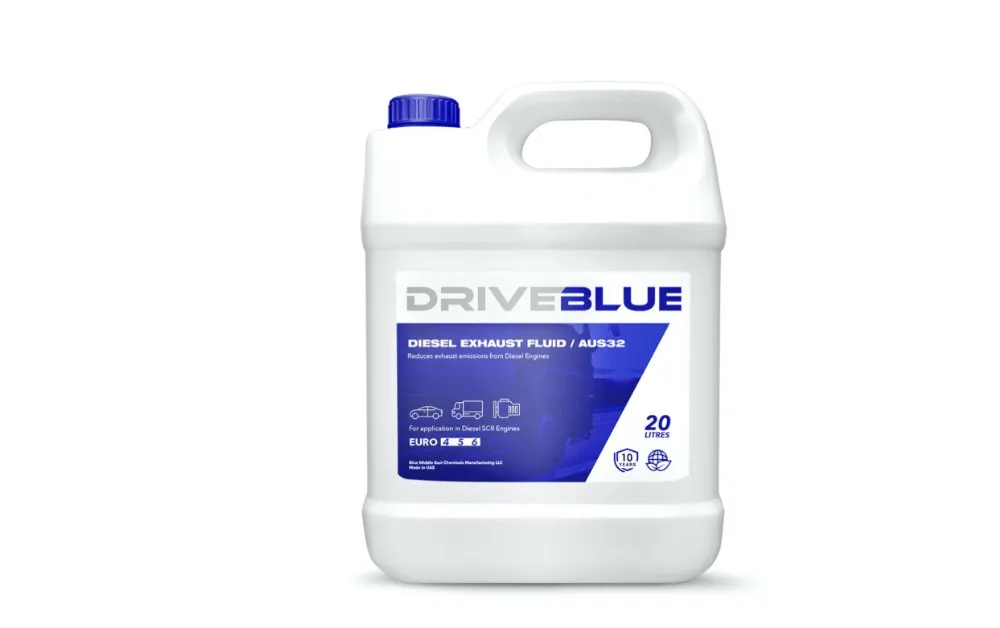
So, there you have it — we’ve cleared up some of the most common myths about DEF in Oman. Diesel Exhaust Fluid (DEF) is an important part of modern diesel vehicles, helping reduce harmful emissions, support engine efficiency, and prevent expensive maintenance issues over time. Understanding how DEF works allows you to use it correctly and keep your vehicle operating smoothly. If you’re looking for high-quality DEF solutions, Blue Middle East is a trusted provider offering reliable supply across the region.